Local SEO for Tier 2 Cities in India (2026): Jaipur, Indore, Surat & Lucknow Blueprint
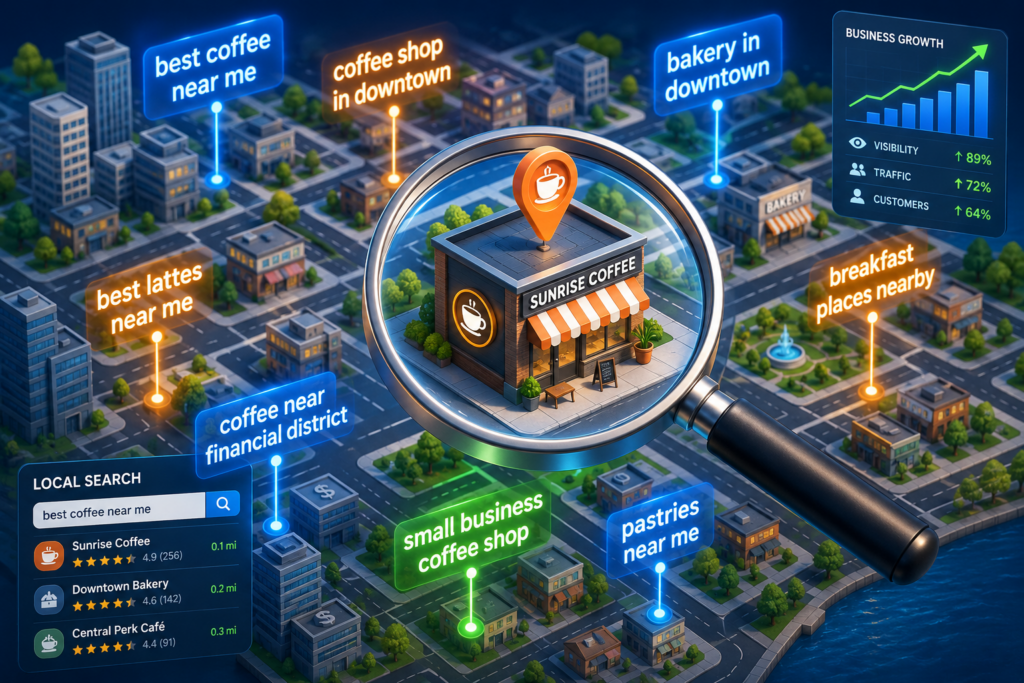
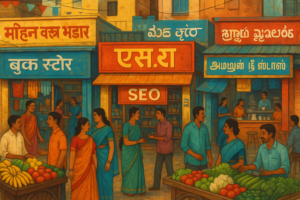
Direct Answer / Key Takeaway: In 2026, the fiercest commercial growth in India is no longer happening in saturated Tier-1 metros (Delhi, Mumbai, Bangalore). Instead, Tier-2 and Tier-3 commercial growth hubs—led by Jaipur, Indore, Surat, and Lucknow—are witnessing an unprecedented 42% year-over-year surge in local search volume for professional services, clinics, real estate, and retail. Winning local SEO for Tier 2 cities in India requires a distinct playbook: hyper-local Google Business Profile (GBP) optimization across specific commercial neighborhoods, dual-language vernacular citations, pincode-specific rank monitoring, and geo-targeted service silos. Using ContentSERP’s Local SEO Keyword Tool, agencies can capture local Map Pack dominance across 34,000+ Indian postal codes before national competitors enter the market.
- The Tier-2 & Tier-3 Economic Surge: Where Indian Consumer Demand Is Concentrated
- Why Metro SEO Playbooks Fail in Regional Indian Cities
- City-by-City Local SEO Blueprints: Jaipur, Indore, Surat & Lucknow
- The 5-Point Pincode Optimization Architecture
- Frequently Asked Questions (FAQ)
- Conclusion: Seize the Regional Search Advantage
1. The Tier-2 & Tier-3 Economic Surge: Where Indian Consumer Demand Is Concentrated
India’s economic expansion is being fueled by non-metro commercial epicenters. Cities like Jaipur (Rajasthan), Indore (Madhya Pradesh), Surat (Gujarat), and Lucknow (Uttar Pradesh) are experiencing rapid infrastructural modernization, thriving startup ecosystems, and skyrocketing smartphone penetration. According to the Department for Promotion of Industry and Internal Trade (DPIIT), nearly 50% of newly recognized Indian startups now emerge from Tier-2 and Tier-3 urban clusters.
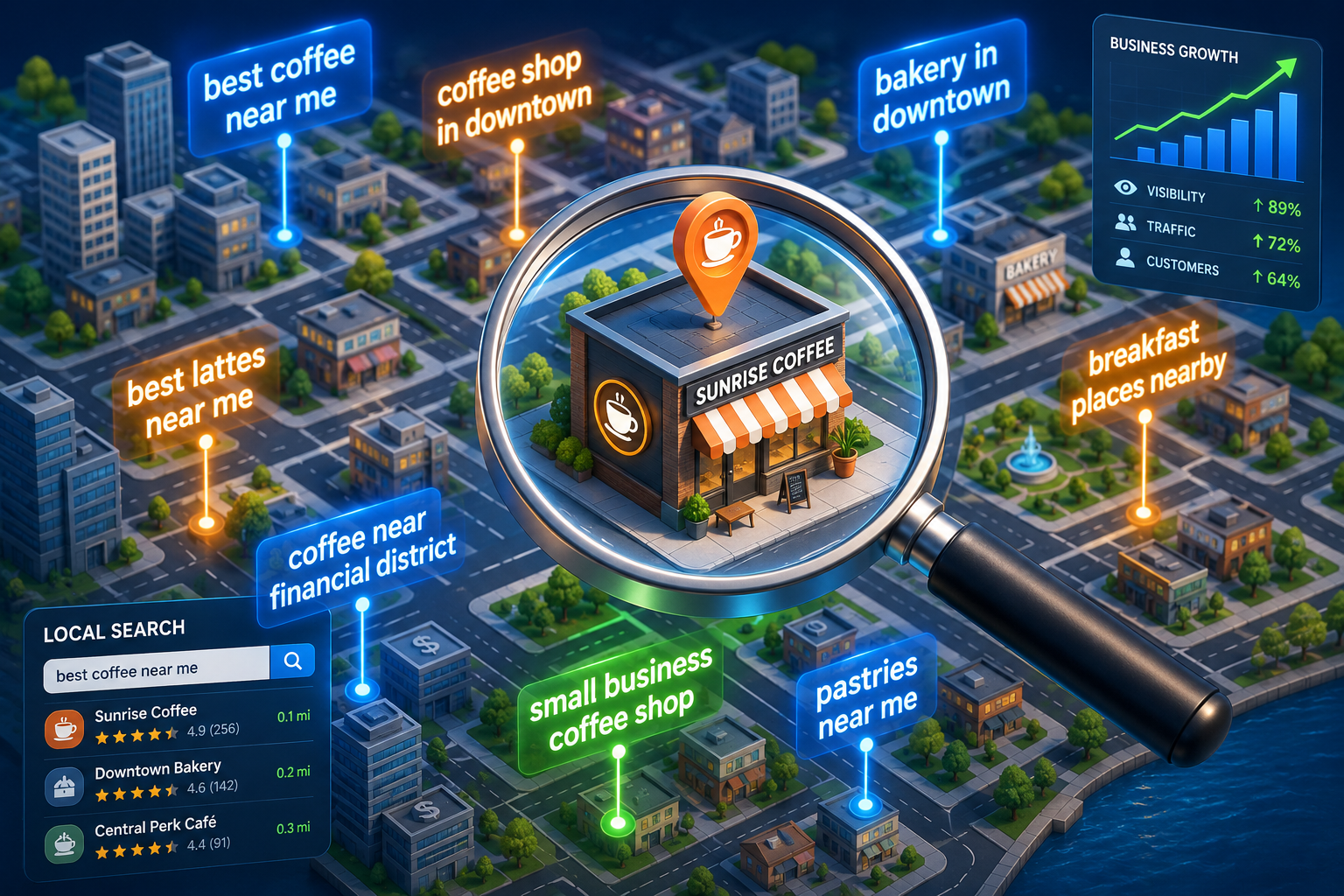
For local businesses and digital marketing agencies, this presents an enormous SEO goldmine. While metropolitan markets like Bangalore and Mumbai suffer from severe keyword saturation and backlink inflation, Tier-2 cities offer high-intent transactional search volumes with a fraction of the organic competition.
2. Why Metro SEO Playbooks Fail in Regional Indian Cities
Applying generic Western or metropolitan SEO tactics to cities like Surat or Lucknow guarantees failure. Regional search behavior differs in three critical ways:
- Sub-Locality & Landmark Proximity: In Jaipur, customers don’t just search for “dermatologist in Jaipur”. They search for “skin specialist in Vaishali Nagar”, “clinic near Raja Park”, or “doctor near MI Road”. Ranking requires hyper-local landing pages built around exact commercial micro-markets.
- Colloquial Transliteration (Hinglish): Users frequently combine regional terms with English modifiers (e.g., “Indore me best coaching classes” or “Surat kapda market wholesale shop”). As detailed in our guide on Hindi Keyword Research, enterprise US tools fail to capture these queries.
- Mobile Call & WhatsApp Dominance: Regional users rarely fill out multi-step web forms. Over 80% of conversions occur via the “Click to Call” button on Google Maps or direct WhatsApp chat prompts.
3. City-by-City Local SEO Blueprints: Jaipur, Indore, Surat & Lucknow
| City & Growth Hub | Key Commercial Neighborhoods | Dominant High-Intent Sectors | Key Vernacular / Local Search Nuance |
|---|---|---|---|
| Jaipur (RJ) | Vaishali Nagar, Malviya Nagar, Mansarovar, C-Scheme, Raja Park | Jewelry, Real Estate, Tourism, Healthcare, Coaching | Heavy mobile voice searches in Hindi and tourist-centric English intent. |
| Indore (MP) | Vijay Nagar, Palasia, Rajwada, Bhawar Kuan, Super Corridor | IT Services, Food & Beverage, Education, Trading, Retail | High student density around Bhawar Kuan seeking competitive exams and rentals. |
| Surat (GJ) | Ghod Dod Road, Vesu, Ring Road Textile Market, Adajan, Varachha | Textiles, Diamonds, Manufacturing, B2B Logistics | B2B wholesale trading terms with heavy Gujarati and Hindi colloquial phrases. |
| Lucknow (UP) | Gomti Nagar, Hazratganj, Alambagh, Indira Nagar, Mahanagar | Healthcare, Government Services, Coaching, Retail, Hospitality | Massive search volume for medical clinics and civil service preparation institutes. |
4. The 5-Point Pincode Optimization Architecture
1. Geo-Targeted Neighborhood Landing Pages (Silos)
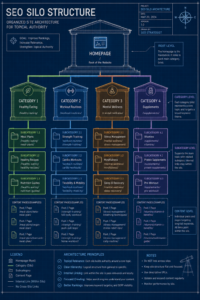
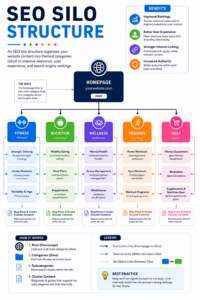
Create dedicated sub-pages for specific high-value neighborhoods rather than lumping the entire city onto one homepage. For example: /services/jaipur/vaishali-nagar/ and /services/jaipur/mansarovar/. Each page must feature neighborhood landmarks, transit directions, and exact pincode references.
2. Localized Google Business Profile (GBP) Primary Category Alignment
The single highest-weighted ranking factor in the Google 3-Pack is your primary business category. Ensure your category aligns with the exact search term, and populate your secondary categories with regional service variations.
3. Hyper-Local Rank Tracking Across 34,000+ Indian Pincodes
Never rely on generic country-level rank trackers. Use ContentSERP’s Precision Rank Tracker to monitor real-time rankings from specific postal codes (e.g., 302021 for Vaishali Nagar, Jaipur vs 452010 for Vijay Nagar, Indore) without needing expensive residential proxies.
4. Consistent Indian NAP & Local Business Citations
Ensure your business Name, Address, and Phone Number (NAP) are 100% consistent across prominent Indian directories, including Justdial, IndiaMART, Sulekha, and TradeIndia. Inconsistent phone numbers or pincodes confuse Google’s local proximity graph.
5. Schema.org LocalBusiness & GeoCoordinates Injection
Inject complete JSON-LD LocalBusiness structured data into every location page. Define exact geo coordinates (latitude and longitude), operating hours, accepted payment methods (including UPI and cash), and localized FAQ blocks.
Over 60% of smartphone users in Tier-2 Indian commercial hubs apply the “Open Now” search filter when looking for medical clinics, auto repair, or dining. Businesses with inaccurate or missing opening hours on their Google Business Profile are instantly filtered out of the top 3-Pack during peak commercial hours.
5. Frequently Asked Questions (FAQ)
How does local SEO for Tier 2 cities in India differ from metro SEO?
Local SEO for Tier-2 cities in India involves lower keyword competition, higher reliance on neighborhood landmarks, heavy conversational Hindi/Hinglish search queries, and dominant conversion via direct phone calls or WhatsApp rather than complex online web funnels.
How do I track Google Map Pack rankings in specific Indian cities?
To accurately track local Google Map Pack rankings in cities like Jaipur, Indore, or Surat, use ContentSERP’s Live SERP Checker. It simulates searches from exact Indian postal codes, delivering real-time top-100 organic positions and local 3-Pack visibility.
Which Indian business directories are best for local citations in Tier 2 cities?
The most authoritative citation sources for Indian local SEO are Google Business Profile, Justdial, IndiaMART, Sulekha, TradeIndia, and local chamber of commerce directories. Maintaining strict NAP consistency across these platforms is vital for ranking stability.
6. Conclusion: Seize the Regional Search Advantage
While major competitors remain fixated on hyper-saturated Tier-1 English keywords, the largest commercial opportunities are quietly flourishing in Tier-2 and Tier-3 urban economies. By deploying a systematic local SEO blueprint across Jaipur, Indore, Surat, and Lucknow today, your agency or local business can establish unassailable market dominance.
Check Your Local Google India Rankings Across Any Pincode
Stop guessing your Map Pack positions. Use ContentSERP to check real-time rankings and extract neighborhood keyword opportunities across 34,000+ Indian pincodes today.