Hindi Keyword Research: The Complete 2026 Framework for Hindi & Hinglish SEO

Direct Answer / Key Takeaway: In 2026, over 68% of Google searches in India originate in conversational Hindi, transliterated Hinglish (Hindi written in the Latin alphabet), and regional vernacular scripts. However, legacy enterprise tools like Ahrefs, Semrush, and Google Keyword Planner routinely misclassify these high-intent queries as “0 Search Volume” due to phonetic spelling variations. Mastering Hindi keyword research requires an India-first methodology: clustering transliteration variants, querying live top-100 Google India SERPs, harvesting real conversational intent, and optimizing with bilingual entity schema. By leveraging ContentSERP’s Local SEO Keyword Tool, agencies and content creators can uncover thousands of untapped low-competition keywords that drive high-intent regional traffic.
- The Vernacular Explosion: Why English-Only SEO Is Leaving 70% of Traffic on the Table
- The “Zero-Volume” Myth: Why US Tools Miss Indian Search Demand
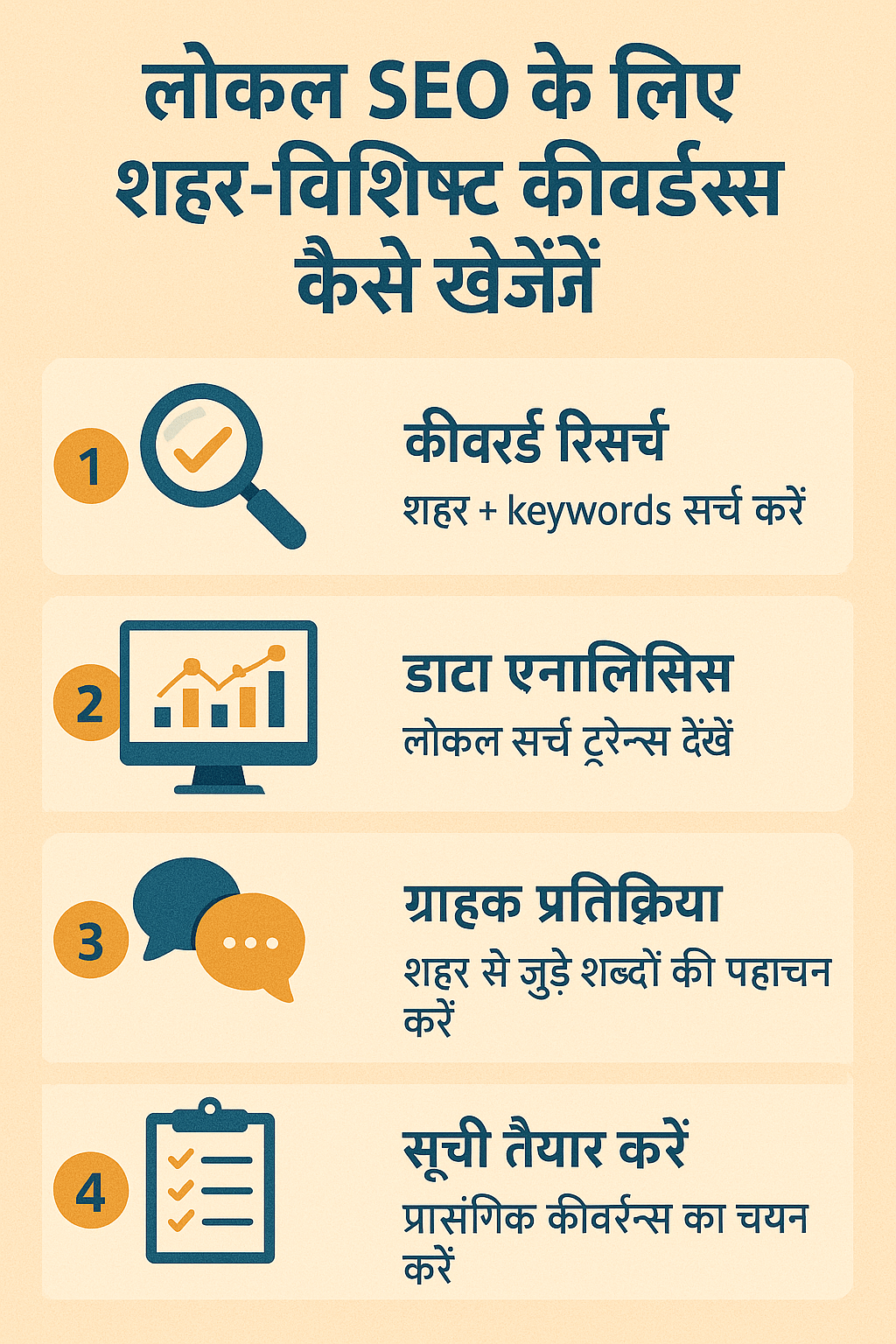
- The 4-Step 2026 Hindi & Hinglish Keyword Research Framework
- Transliteration & Intent Clustering Matrix
- On-Page Optimization for Hindi & Hinglish Content
- Frequently Asked Questions (FAQ)
- Action Plan: Scale Your Vernacular Reach
1. The Vernacular Explosion: Why English-Only SEO Is Leaving 70% of Traffic on the Table
India’s digital landscape has crossed 900 million active internet users according to official data from the Ministry of Electronics and Information Technology (MeitY). However, less than 12% of the Indian population is fluent in formal English. The next 500 million internet consumers entering the digital economy from Tier-1, Tier-2, and rural districts communicate, browse, and buy online using their mother tongue or hybrid Romanized colloquial speech.
For brands and SEO professionals, sticking strictly to standard English keywords is commercial suicide. When a user in Delhi, Lucknow, or Patna searches for financial advice, healthcare clinics, or software tools, they rarely type “best accounting software for small enterprise”. Instead, they type: “vyapar ke liye best accounting software” or “dukan ke hisab kitab ka app”.
2. The “Zero-Volume” Myth: Why US Tools Miss Indian Search Demand
If you plug Hindi keyword research terms into Semrush or Ahrefs, you will almost invariably see warning labels: “Volume: 0”, “KD: N/A”. This occurs because US-based databases suffer from three structural flaws:
- Phonetic Transliteration Fragmentation: In Hinglish, there are no standardized spellings. The phrase “kaise kare” is typed as “kaise kare”, “karein”, “kare”, “kare?”, or “kaise kre”. US clickstream panels track each variation separately, diluting 50,000 monthly searches across hundreds of micro-variations that each register as “zero volume.”
- Lack of Vernacular Clickstream Sampling: International panel providers sample data predominantly from desktop browsers in Westernized metropolitan demographics, grossly under-representing mobile-first regional Indian smartphone users.
- Currency Barrier: Enterprise tools charge $99 to $129/mo (₹10,000–₹13,200/mo w/ GST) as analyzed in our teardown of Ahrefs & Semrush Pricing in India, while failing to provide domestic regional search depth.
3. The 4-Step 2026 Hindi & Hinglish Keyword Research Framework
Step 1: Identify Core Seed Entities Across Devanagari & Latin Scripts
Every vernacular concept must be mapped across three distinct script buckets:
- Pure Hindi (Devanagari): e.g., “कीवर्ड रिसर्च कैसे करें” (Preferred by mature readers, educators, and voice search assistants).
- Colloquial Hinglish (Latin Script): e.g., “keyword research kaise kare” (Dominant among 18–35 mobile users and social searchers).
- Hybrid English-Hindi Intent: e.g., “best keyword tool for hindi bloggers” (Commercial decision queries).
Step 2: Scrape Live Top-100 Google India SERPs
Rather than relying on outdated monthly estimates, use ContentSERP’s Free India SERP Checker to query Google India directly. Extract the exact People Also Ask (PAA) accordions, auto-suggest variations, and competing YouTube video embeds dominating the top 10 positions.
Step 3: Cluster Semantic Transliterations Under a Single Primary Parent
Never write separate thin articles for different phonetic spellings. Google’s modern Multitask Unified Model (MUM) understands that “paise kaise kamaye” and “paise kse kmaye” represent identical search intent. Select the cleanest phonetic spelling as your primary H1 and fold the variations into natural conversational H2s, H3s, and FAQ schemas.
Step 4: Deploy Reverse Silo Architecture
Channel regional traffic into commercial action. Ensure your informational vernacular guides link upward into your product hubs using exact contextual anchors, as detailed in our guide to Automated Reverse Silo SEO.
4. Transliteration & Intent Clustering Matrix
| Devanagari Query | Dominant Hinglish Variant | Phonetic Clustered Variations | Search Intent |
|---|---|---|---|
| ब्लॉग कैसे शुरू करें | blog kaise shuru kare | blog kaise start kare, blog kaise banaye 2026 | Informational / Beginner Guide |
| फ्री कीवर्ड रिसर्च टूल | free keyword research tool | best free keyword tool hindi, free seo tool india | Commercial Evaluation |
| ऑनलाइन पैसे कैसे कमाए | online paise kaise kamaye | ghar baithe paise kaise kamaye, online earning app | High-Volume Informational |
| लोकल एसईओ क्या है | local seo kya hai | local seo kaise kare, google map pack ranking tips | Commercial / Educational |
5. On-Page Optimization for Hindi & Hinglish Content
To rank consistently on Google India, apply these technical on-page rules:
- Title Tag Architecture: Combine Hinglish intent with English power keywords for maximum CTR. Example: “Hindi Keyword Research Kaise Kare (2026): Complete Step-by-Step Guide”.
- First 100 Words Direct Answer: Provide the answer immediately in bilingual prose. Voice search and Google AI Overviews extract definitions from clear introductory paragraphs.
- Dual-Script Subheadings: Use Romanized Hinglish for primary H2 tags while embedding Devanagari script in H3s or bold definitions to capture both keyboard typing styles.
- Bilingual Schema Markup: Deploy standard Article and FAQPage schema with Unicode Devanagari characters intact. Google parses UTF-8 natively.
Over 45% of vernacular queries in Tier-2 and Tier-3 cities are executed via Google Assistant and voice search on Android smartphones. Voice searchers speak in complete colloquial sentences (e.g., “Google, meri dukan ko map pe kaise daalein”). Target conversational question keywords in your H3 tags and FAQ accordions to capture rich voice snippets.
6. Frequently Asked Questions (FAQ)
How do I do Hindi keyword research effectively in 2026?
Effective Hindi keyword research requires analyzing search intent across both Devanagari script and Romanized Hinglish. Use specialized regional tools like ContentSERP’s Keyword Research Tool India to scrape live top-100 Google India results, cluster phonetic spelling variations, and identify colloquial search terms that international tools miss.
Can I rank for Hindi keywords using English or Hinglish script?
Yes. Millions of Indian internet users type Hindi queries using the English (Latin) keyboard alphabet, known as Hinglish. Google’s search algorithms are fully trained on transliterated queries, allowing well-optimized Hinglish articles to outrank pure Devanagari pages on mobile devices.
Why do Google Keyword Planner and Ahrefs show zero volume for Hindi terms?
Google Keyword Planner groups keywords into broad English commercial buckets for advertisers, ignoring conversational vernacular variations. Ahrefs and Semrush rely on third-party clickstream panels that under-sample regional Indian mobile searchers, misrepresenting high-traffic queries as zero-volume keywords.
7. Action Plan: Scale Your Vernacular Reach Today
The brands that will dominate Indian search in 2026 and 2027 are those building multilingual topical authority today. By tapping into localized Hindi and Hinglish queries before enterprise competitors catch up, you capture high-intent users at a fraction of the traditional cost-per-click.
Find Hidden Hindi & Hinglish Keywords in Seconds
Stop trusting US keyword tools that show “zero search volume” for massive Indian search queries. Use ContentSERP to uncover real regional search demand across 20+ Indian languages.


1 Comment