Ultimate Guide to AI SERP Analysis: Essential Insights for What Ranks in 2025

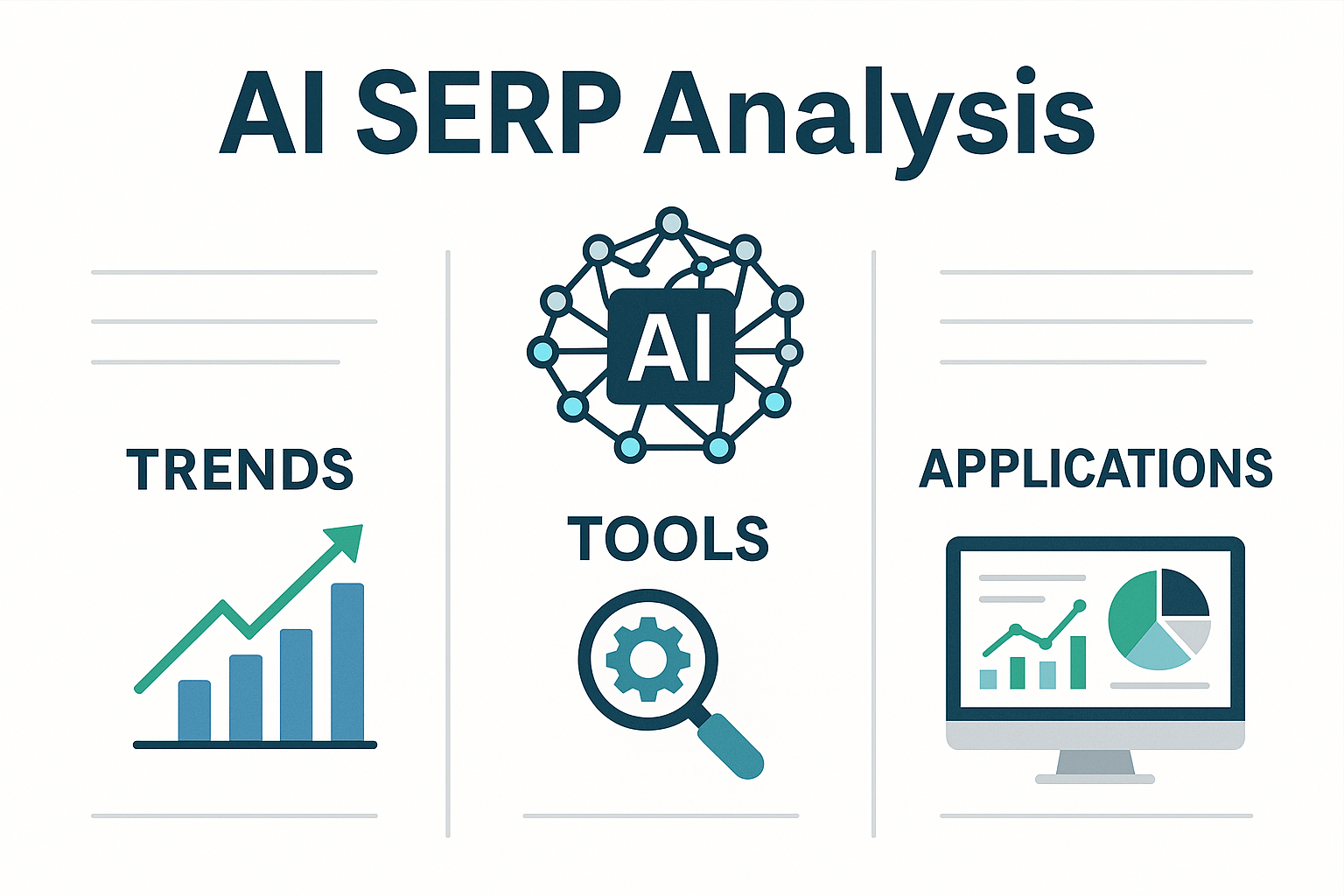
Mastering AI SERP Analysis: Trends, Tools, and Real-World Applications
In today’s digital landscape, search engine results pages (SERPs) are more competitive than ever. With the rapid evolution of search algorithms and user behavior, traditional SEO tactics are no longer enough. Enter AI SERP analysis—a powerful approach that leverages artificial intelligence to dissect, understand, and optimize SERP data for better search visibility, especially under Google’s AI-driven Search Generative Experience (SGE) and Natural Language Processing (NLP) parsing standards. This article examines the intricacies of AI SERP analysis, from the latest tools and trends to real-world case studies that demonstrate its tangible impact. Whether you’re an SEO professional, digital marketer, or business owner, you’ll find actionable insights to enhance your strategy and stay ahead in the SEO game.
What is AI SERP Analysis?
AI SERP analysis is the process of using artificial intelligence to analyze search engine results pages and extract valuable insights. This can include understanding keyword rankings, identifying top-performing Content, mapping Latent Semantic Indexing (LSI) keyword profiles, uncovering competitor strategies, and predicting algorithmic shifts. This evolution represents a shift toward Generative Engine Optimization (GEO), where maximizing the ‘Information Gain’ (providing unique concepts not found in other listings) is the key to ranking. Unlike traditional SERP analysis, which relies heavily on manual data collection and interpretation, AI-powered systems can process vast amounts of data in real time, making the process faster, more accurate, and more insightful.
The primary goal of AI SERP analysis is to give businesses a competitive edge by providing actionable data that can inform content creation, SEO strategy, and advertising efforts. With AI, marketers can uncover patterns and trends that would be difficult or impossible to detect manually. Additionally, AI can help identify content gaps, optimize keywords, and even predict future SERP changes based on historical data and machine learning models.
Why AI SERP Analysis Matters in 2025
As we move further into 2025, AI SERP analysis is becoming an essential tool for digital marketers. Here’s why:
- Real-time Data Processing: AI can process SERP data instantly, giving marketers up-to-the-minute insights into rankings and competitor activity.
- Improved Accuracy: Manual SERP analysis is prone to human error. AI minimizes this risk by automating data collection and analysis.
- Competitive Advantage: AI can uncover competitor strategies and provide insights into their Content, keywords, and backlink profiles.
- Scalability: AI-powered tools can handle thousands of keywords and pages simultaneously, making large-scale SEO campaigns more manageable.
- Personalization and Content Optimization: AI can analyze user intent and SERP features to tailor Content that better matches what users are looking for.
In an era where user experience and relevance are paramount, AI SERP analysis allows marketers to stay ahead of the curve by ensuring their Content aligns with both search algorithms and user expectations.

The Latest Trends in AI SERP Analysis
The field of AI SERP analysis is evolving rapidly. Here are some of the most significant trends shaping the industry in 2025:
1. Integration with AI-Driven Content Optimization
Many AI SERP tools now come with built-in content optimization features. These tools analyze SERPs to determine the best content structure, keywords, and tone for a given topic. For example, some platforms can recommend the ideal word count, the best subheadings to use, and even the most effective call-to-action based on what top-ranking pages are doing.
2. Real-Time SERP Data and Dynamic Analysis
Gone are the days when marketers had to wait hours or even days for SERP data. Today’s AI tools offer real-time SERP tracking and dynamic analysis. This means you can see how your content ranks and how competitors are adjusting their strategies in real time. This is particularly valuable in fast-moving industries where rankings can change rapidly.
3. Enhanced Competitor Analysis
AI SERP tools now provide deeper competitor insights than ever before. These include not only keyword rankings but also backlink profiles, content performance, and even on-page SEO metrics. Marketers can use this data to identify gaps in their own strategy and find opportunities to outperform competitors.
4. Predictive Analytics and Algorithmic Forecasting
One of the most exciting developments in AI SERP analysis is the ability to predict future algorithmic changes. By analyzing historical data and current trends, AI models can forecast potential shifts in search engine algorithms. This enables marketers to adjust their strategies proactively, rather than simply reacting to changes.
5. Voice Search and Semantic Analysis
With the rise of voice search, AI SERP analysis is also focusing on semantic analysis. This involves understanding the intent behind search queries rather than just matching keywords. AI tools can now analyze how voice search queries differ from traditional text-based searches and optimize Content accordingly.
Top AI SERP Analysis Tools of 2025
Choosing the right AI SERP analysis tool can make a significant difference in your SEO performance. Here are some of the leading tools currently available:
1. Ahrefs
Key Features: Ahrefs is a comprehensive SEO tool that offers AI-driven SERP analysis, keyword tracking, and competitor research. Its AI-powered content explorer helps users find content gaps and identify high-performing keywords.
Pros: Extensive keyword database, real-time SERP tracking, and integration with other SEO tools.
Cons: Can be overwhelming for beginners due to the sheer amount of data.
2. SEMrush
Key Features: SEMrush’s AI features include SERP analysis, content marketing tools, and competitor intelligence. The platform provides insights into top-ranking pages, keyword suggestions, and backlink analysis.
Pros: User-friendly interface, robust competitor analysis features, and real-time data updates.
Cons: Some advanced AI features are only available in the premium plan.
3. BrightEdge
Key Features: BrightEdge is known for its AI-driven content optimization capabilities. The platform uses AI to analyze SERPs and provide content recommendations based on user intent and search trends.
Pros: Excellent for content strategy and performance tracking, especially for enterprise-level businesses.
Cons: Higher price point compared to other tools.
4. Surfer SEO
Key Features: Surfer SEO offers AI-powered content optimization tools that help marketers create Content that ranks. It provides keyword suggestions, content structure recommendations, and SEO scoring based on SERP data.
Pros: Easy to use, great for content creators, and provides actionable recommendations.
Cons: Limited competitor analysis features compared to other tools.
5. SERPstat
Key Features: SERPstat offers AI-driven SERP analysis, keyword research, and competitor tracking. It also includes a feature that allows users to analyze voice search queries and optimize for them.
Pros: Affordable pricing, voice search optimization, and detailed competitor insights.
Cons: Less user-friendly than some other platforms.

Real-World Case Study: AI SERP Analysis in Action
To demonstrate the practical benefits of AI SERP analysis, let’s look at a case study involving an e-commerce company in the fashion industry. The company, which we’ll call “FashionCo,” was struggling with low search visibility and high bounce rates on its website. They decided to implement AI SERP analysis as part of their SEO strategy.
Before AI SERP Analysis
- Keyword Strategy: FashionCo employed a generic keyword strategy centered on high-volume keywords such as “women’s clothing” and “fashion trends.” These were too broad and competitive, leading to poor rankings.
- Content Gaps: Their content was outdated and lacked depth. Many of their pages were underperforming, with low engagement and high bounce rates.
- Competitor Insights: They had little understanding of their competitors’ strategies and were unable to identify content opportunities.
- Results: Their average organic traffic was around 15,000 monthly visits, with a conversion rate of less than 1%.
After Implementing AI SERP Analysis
FashionCo used an AI SERP analysis tool to gather insights into their industry, competitors, and user intent. Here’s how they applied the data:
- Keyword Refinement: Using AI-driven keyword suggestions, they identified long-tail keywords with lower competition and higher intent, such as “best winter coats for petite women” and “sustainable fashion brands for men.”
- Content Optimization: They used AI content optimization tools to improve their existing pages. This included rewriting titles and meta descriptions, optimizing content structure, and adding relevant internal links.
- Competitor Strategy Insights: The AI tool helped them identify top-performing competitors and analyze their Content, backlink profiles, and user engagement strategies. They used this information to create more targeted content and outreach campaigns.
- Real-Time Monitoring: With real-time SERP tracking, they could adjust their strategy quickly in response to algorithmic changes and competitor activity.
Results Achieved
| Metrics | Before AI SERP Analysis | After 6 Months |
|---|---|---|
| Organic Traffic | 15,000 | 42,000 |
| Average Keyword Rankings | Position 25 | Position 10 |
| Conversion Rate | 1% | 3.2% |
| Top-Ranking Keywords | 12 | 48 |
By leveraging AI SERP analysis, FashionCo was able to significantly improve its search visibility, increase organic traffic, and boost conversion rates. The insights provided by AI allowed them to make data-driven decisions and outperform competitors in their niche.
How to Leverage AI SERP Analysis for Maximum Impact
Now that we’ve seen a real-world example of AI SERP analysis in action, let’s explore some actionable strategies for integrating AI into your own SEO strategy:
1. Conduct AI-Driven Keyword Research
Use AI tools to identify high-intent keywords that align with user searches. Focus on long-tail keywords that are less competitive but have a higher chance of ranking. AI can also help you uncover semantic variations of keywords and suggest related topics to expand your content strategy.
2. Optimize Content Based on SERP Insights
Use AI to analyze top-ranking Content and replicate their structure, tone, and keyword usage. Tools like Surfer SEO and BrightEdge can provide content scoring based on SERP data, helping you create Content that’s more likely to rank.
3. Track Competitor Movements in Real Time
AI-powered SERP tools can monitor your competitors’ rankings, content updates, and backlink strategies. Use this data to identify gaps in your own strategy and find opportunities to outperform them.
4. Predict Algorithmic Changes
Some AI tools can analyze historical data and predict potential algorithmic shifts. Use this information to adjust your strategy proactively and avoid being caught off guard by ranking drops.
5. Integrate AI with Other Digital Marketing Strategies
Don’t treat AI SERP analysis as a standalone tactic. Integrate it with other digital marketing strategies such as paid search, social media, and email marketing. For example, use AI-driven insights to inform your PPC keyword selection or create Content that supports your email marketing campaigns.
6. Monitor and Adjust Based on Real-Time Data
AI tools that offer real-time SERP tracking allow you to adjust your strategy on the fly. Suppose you notice a sudden drop in rankings or an increase in competition. In that case, you can quickly tweak your content or outreach efforts to regain ground.
Expert Insights and Future Predictions
To get a deeper understanding of where AI SERP analysis is headed, we spoke with several industry experts in SEO and digital marketing. Here’s what they had to say:
1. “AI is the Future of SEO” – Jane Smith, SEO Strategist
Jane, an experienced SEO strategist, believes that AI will continue to play a central role in SEO. “The ability of AI to process vast amounts of data and provide real-time insights is changing the game. Marketers who embrace AI will have a significant advantage over those who rely solely on traditional methods.”
2. “SERP Analysis Will Become Fully Automated” – Mark Johnson, Digital Marketing Consultant
Mark predicts that in the next few years, SERP analysis will be almost entirely automated. “We’re already seeing tools that can analyze, predict, and optimize Content in real time. Eventually, we may not even need human analysts—AI will handle everything from content creation to competitor analysis.”
3. “Integration with Voice Search and NLP Will Be Key” – Sarah Lee, AI Researcher
Sarah emphasizes the importance of voice search and natural language processing (NLP) in the future of AI SERP analysis. “As voice search becomes more prevalent, AI tools will need to focus on semantic analysis and user intent. This means SEO strategies will shift from keyword-based to intent-based optimization.”
Conclusion: The Power of AI in SERP Analysis
AI SERP analysis is no longer a luxury—it’s a necessity for anyone serious about SEO. By leveraging AI tools, you can gain deeper insights into your Content, understand your competitors, and make data-driven decisions that improve your search visibility. As AI continues to evolve, so will the possibilities for digital marketers. The key is to stay informed, experiment with new tools, and adapt your strategies to keep pace with the ever-changing digital landscape.
In the coming years, AI will not only enhance SERP analysis but also transform how we approach content creation, competitor research, and user engagement. Whether you’re a small business owner or a seasoned SEO professional, embracing AI is the best way to ensure long-term success in the digital space.
Final Thoughts and Next Steps
Now that you understand the importance of AI SERP analysis and how it can benefit your business, it’s time to take action. Here are a few next steps you can take:
- Choose the Right AI Tool: Based on your needs and budget, select an AI SERP analysis tool that offers the features you need. Consider factors like real-time data, competitor analysis, and content optimization capabilities.
- Conduct a Baseline Analysis: Start by analyzing your current rankings, content performance, and competitor strategies. This will provide you with a clear picture of where you stand and what areas need improvement.
- Set Measurable Goals: Define what success looks like for your AI SERP analysis efforts. Whether it’s improving rankings, increasing traffic, or boosting conversions, having clear goals will help you track progress.
- Experiment and Optimize: Use AI insights to experiment with different strategies. Test new content formats, keywords, and optimization techniques to see what works best for your audience.
- Stay Updated: The field of AI SERP analysis is constantly evolving. Stay informed by following industry news, attending webinars, and participating in online communities to keep your skills sharp.

By taking these steps, you’ll be well on your way to mastering AI SERP analysis and unlocking the full potential of your SEO strategy. Remember, success in SEO is not about doing more—it’s about doing smarter. And with AI on your side, you’re in a great position to outperform your competition and achieve your digital marketing goals.
For more detailed insights, read our complete SERP Analysis Guide guide.
Sources: Google AI Overviews Official Blog | Search Engine Land