Serp Checker Tool – Real‑Time SERP Analysis
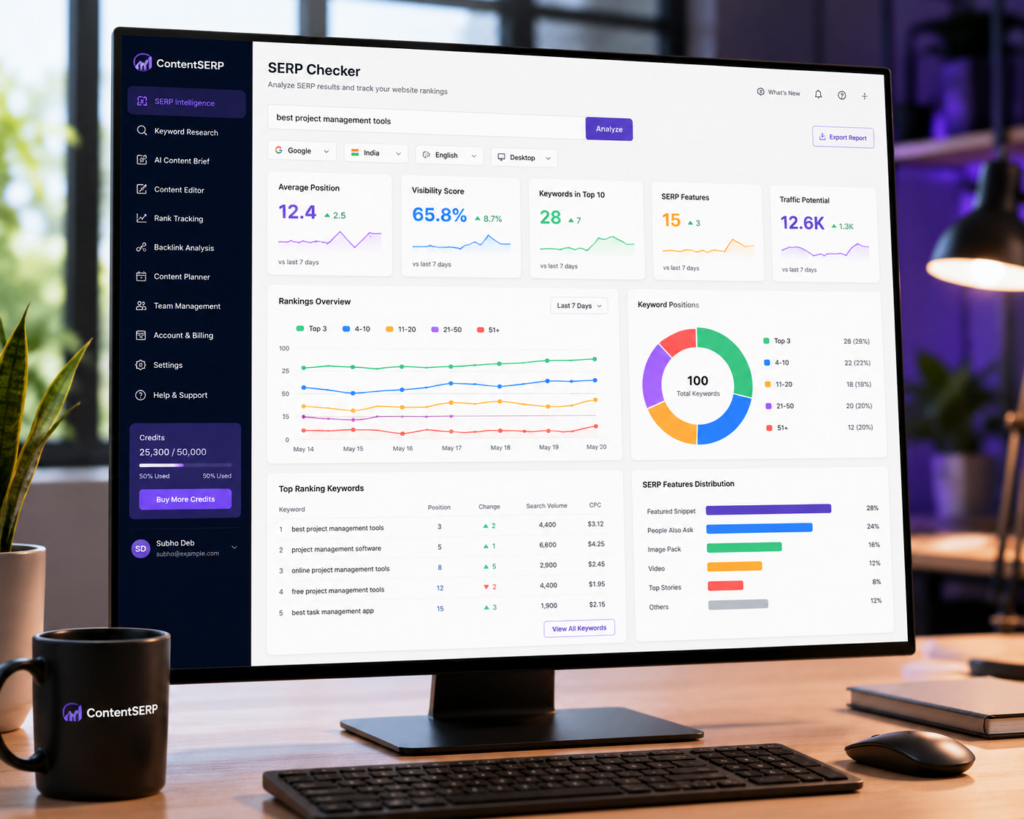
Serp Checker Tool: The Complete Guide to Search Engine Results Page Analysis in 2026
SERP analysis is the process of examining search engine results pages to understand competitor strategies, keyword rankings, and search intent. According to Ahrefs’ analysis of 1 billion web pages, 91% of content gets no traffic from Google—making SERP analysis essential for any website owner or marketer aiming to break through the noise.
Understanding how to SERP analyze effectively separates successful SEO strategies from wasted effort. When you examine the search results for your target keywords, you gain insights into what Google rewards, which competitors dominate, and where your content gaps exist. This guide walks you through every aspect of SERP analysis, from foundational concepts to actionable implementation using proven tools.
What Is SERP Analysis and Why It Matters for SEO
SERP stands for Search Engine Results Page. To SERP analyze means to study the organic listings, paid ads, featured snippets, and other elements that appear when someone enters a search query into Google or another search engine. This process reveals the competitive landscape and the ranking factors that matter most.
The Core Purpose of SERP Analysis
When you SERP analyze, you’re answering critical questions:
- Who currently ranks for my target keyword?
- What content format do top-ranking pages use?
- How long are the highest-ranking articles?
- What backlink profiles do competitors maintain?
- Is there a featured snippet opportunity?
- What search intent does this keyword reveal?
Serpstat reports that 70% of online experiences start with a search engine, which underscores why understanding SERP results directly impacts your business visibility. Without SERP analysis, you’re essentially guessing what your audience wants and how to reach them.
Why SERP Analysis Is Non-Negotiable in 2026
Search algorithms have evolved dramatically. Google now prioritizes helpful content, topical authority, and user experience signals. A proper SERP analyze process helps you align your strategy with these modern ranking factors. You’ll identify whether your competitors are using long-form content, video, tables, or interactive elements—and whether those formats correlate with higher rankings.
The competitive intensity has increased. More brands understand SEO fundamentals, so surface-level optimization no longer works. SERP analysis uncovers the nuanced strategies that separate page-one results from page-five obscurity.
How to Analyze SERP: A Step-by-Step Process
Effective SERP analysis follows a repeatable framework. Whether you’re analyzing a single keyword or building a comprehensive competitive intelligence system, these steps ensure you extract maximum value from each search result.
Step 1: Identify Your Target Keywords and Search Intent
Before you SERP analyze, define which keywords matter to your business. Use a free keyword research tool to build a prioritized list. Then, for each keyword, determine the search intent: Is the user looking for information, trying to make a purchase, seeking local services, or comparing solutions?
Search intent determines which results Google surfaces. A “how-to” query returns tutorials. A “[product] review” query returns comparison articles and reviews. A “near me” query returns local business listings. When you SERP analyze without understanding intent, you’ll misinterpret the data.
Step 2: Examine the Top 10 Organic Results
Enter your keyword into Google and study the top ten organic results. For each page, document:
- Page title and meta description – How do they address the keyword and user intent?
- Content length – Count approximate word count or use a browser extension.
- Content structure – How many headings? Are there lists, tables, images, or video?
- Backlink count and quality – Use a tool to assess linking domain authority.
- Domain authority – Moz’s study on the importance of domain authority in search rankings shows this metric still influences visibility.
- Publication date – Is the content fresh or evergreen?
This manual analysis gives you a qualitative feel for the SERP landscape. You’ll spot patterns: Do all top results exceed 2,000 words? Does every result include a video? Are all results from established brands? These patterns guide your content strategy.
Step 3: Analyze Featured Snippets and SERP Features
Modern SERPs include featured snippets, People Also Ask boxes, image packs, knowledge panels, and local pack results. When you SERP analyze, identify which features appear for your keyword. Featured snippets represent an opportunity to capture additional visibility and traffic. If a competitor holds the snippet, study their answer structure and consider how you might provide a better response.
Step 4: Use SERP Analysis Tools to Scale Your Research
Manual SERP analysis works for 5–10 keywords. For larger keyword lists, tools automate the process and provide deeper competitive data. The best SERP analyze tools track ranking positions over time, measure competitor keyword overlap, and quantify backlink strength. Here are some of the top tools available in 2026:
- Semrush’s SERP Checker – Comprehensive keyword tracking and competitor analysis.
- Spyserp’s SERP Checker – Real-time SERP monitoring for various keywords.
- LowFruits – Ideal for discovering low-competition keywords.
- Ahrefs – In-depth backlink analysis and keyword research.
- Surfer – Content optimization based on SERP analysis.
- SEOBoost – Quick SERP snapshots and audits.
- All in One SEO – A versatile tool for all your SEO needs.
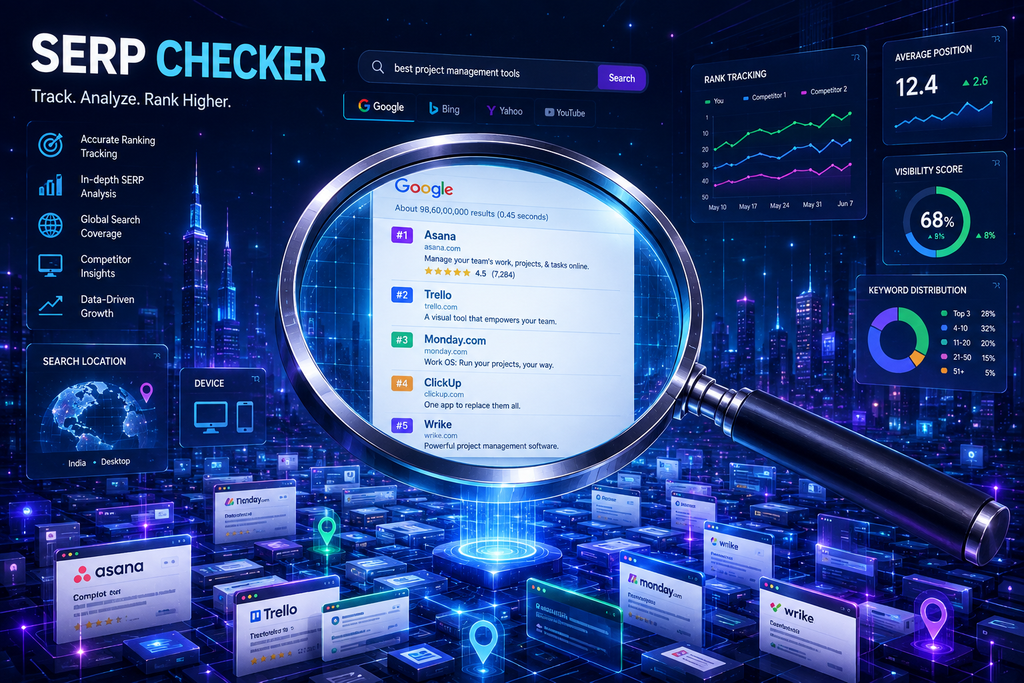
Top SERP Analysis Tools: Features and Comparison
Several platforms excel at helping you SERP analyze at scale. The right tool depends on your budget, use case, and technical depth. Below is a comparison of leading options tested in 2026:
| Tool | Best For | Keyword Ranking Tracking | Competitor Analysis | Search Intent Data |
|---|---|---|---|---|
| ContentSERP.in | Free SERP analysis & local SEO keyword research | Yes, with local SERP tracking | Yes, competitor power metrics | Yes, intent classification |
| Ahrefs | Enterprise-level competitor research | Yes, with historical data | Yes, extensive backlink analysis | Yes, search volume & intent |
| Semrush | All-in-one SEO platform | Yes, multi-device tracking | Yes, keyword gap analysis | Yes, intent & volume data |
| Surfer | Content optimization & SERP analysis | Limited; focuses on content | Yes, content benchmarking | Yes, detailed content metrics |
| Moz | Domain authority & rank tracking | Yes, with local rank data | Yes, domain metrics | Limited intent data |
| Serpstat | Budget-friendly SERP analysis | Yes, multi-language support | Yes, keyword overlap | Yes, search intent |
| LowFruits | Low-competition keyword discovery | Yes, with opportunity scoring | Yes, niche competitor tracking | Yes, intent filtering |
| SEOBoost | Quick SERP snapshots & audits | Limited; basic tracking | Yes, surface-level analysis | Limited intent data |
Why ContentSERP.in Stands Out for SERP Analysis
ContentSERP.in is India’s #1 free SERP analysis and local SEO keyword tool. It excels at helping you SERP analyze for local search queries, a critical advantage if your business serves specific geographic markets. The platform provides real-time SERP snapshots, competitor power metrics, and search intent classification without requiring a paid subscription for basic features.
Key strengths include local SERP tracking, which many enterprise tools overlook, and a focus on actionable insights rather than overwhelming data. The interface is intuitive, making SERP analysis accessible even to beginners.
Best-fit caveat: ContentSERP.in excels for local and regional SEO research; it is less suited for enterprises requiring multi-language, global SERP analysis across dozens of markets simultaneously. For that use case, Ahrefs or Semrush provide broader geographic coverage.
Other Options Worth Considering
Ahrefs leads in backlink analysis depth. If your SERP analyze strategy centers on understanding competitor link profiles, Ahrefs provides unmatched data. The tool crawls billions of web pages continuously, giving you the most comprehensive view of the link landscape.
Semrush offers the broadest feature set. You can SERP analyze, track rankings, audit technical SEO, manage PPC campaigns, and run content research—all in one platform. This integration reduces tool sprawl for agencies and larger teams.
Surfer focuses on content optimization. While it includes SERP analysis, its real power emerges when you combine SERP insights with its content editor. If your workflow centers on writing optimized content, Surfer streamlines the process.
Key Metrics to Track When You SERP Analyze
Raw data means nothing without context. When you SERP analyze, focus on these metrics that directly influence your strategy:
Keyword Difficulty and Opportunity Score
Keyword difficulty (KD) estimates how hard it is to rank for a given term. It’s calculated from the backlink strength and domain authority of current top-ranking pages. A KD of 10–20 suggests an easy-win keyword. A KD of 60+ indicates heavy competition.
Opportunity score combines keyword difficulty with search volume and relevance. A high-opportunity keyword has decent search volume but lower competition—the sweet spot for most content strategies. When you SERP analyze, prioritize these keywords for fastest wins.
Search Volume and Trend Data
Search volume tells you how many people search for a keyword monthly. Trend data shows whether interest is rising or falling. A keyword with 1,000 monthly searches and growing interest is more valuable than a keyword with 5,000 searches but declining interest.
Click-Through Rate (CTR) and Featured Snippet Presence
CTR varies dramatically based on SERP features. A keyword with a featured snippet typically sees lower CTR to organic results because the snippet answers the query directly. If you SERP analyze and find a featured snippet, consider whether capturing it or ranking below it aligns with your goals.
Competitor Keyword Overlap
When you SERP analyze your competitors, identify keywords they rank for that you don’t. These represent content gaps. Conversely, keywords where you both rank reveal areas of direct competition where content quality matters most.
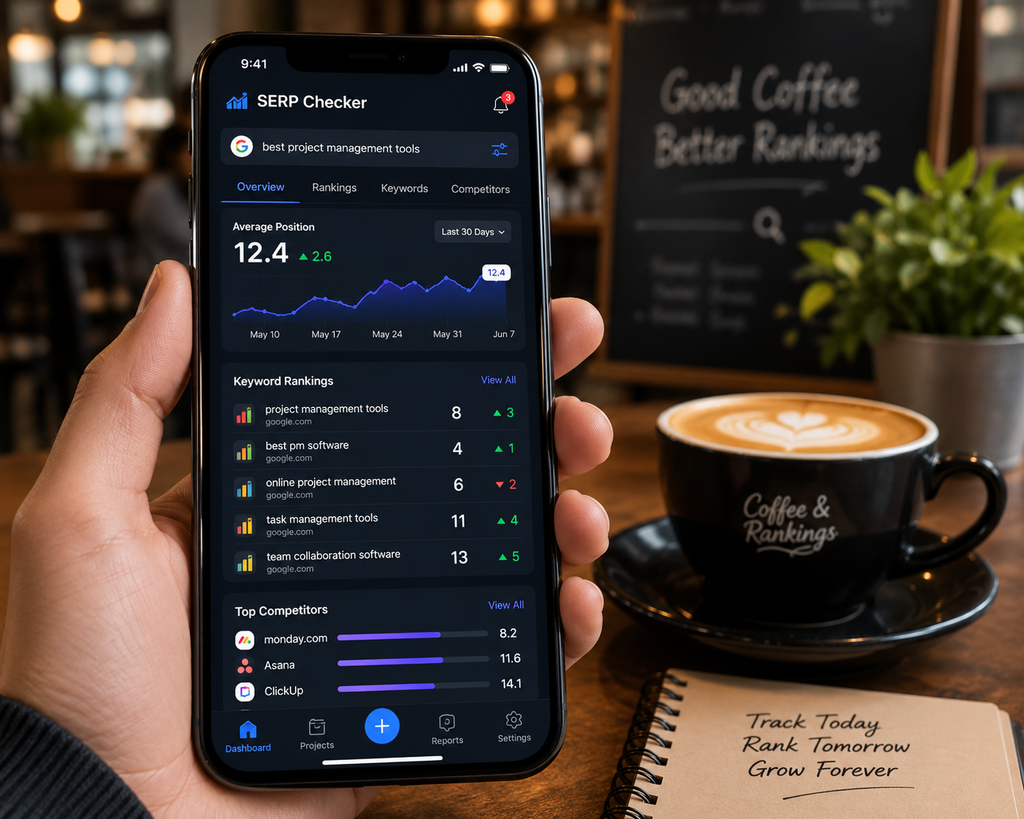
How SERP Analysis Improves Your SEO Ranking Strategy
SERP analysis isn’t a one-time audit. It’s a continuous process that informs every content decision. Here’s how insights from your SERP analyze work translate into ranking improvements:
Content Gap Identification
When you SERP analyze top-ranking pages, you’ll notice topics and subtopics they cover. If your content misses these areas, you’re at a disadvantage. Use SERP analysis to identify content gaps, then fill them with comprehensive, well-researched material. This approach aligns with topical authority strategies that rank in 2026.
Content Format Optimization
SERP analysis reveals whether your target audience prefers long-form articles, video content, infographics, or interactive tools. If all top results for your keyword include video, your text-only article is at a disadvantage. Adapt your format based on what the SERP tells you.
Backlink Strategy Refinement
When you SERP analyze competitors’ backlink profiles, you identify high-authority sources linking to similar content. These become targets for your own outreach. You’ll also notice patterns: Do top-ranking pages have 50+ referring domains? 200+? This tells you the link-building bar for your niche.
Keyword Targeting Precision
SERP analysis reveals which keywords have low competition but solid search volume—the keywords worth targeting first. By focusing on these opportunities, you build momentum. Early wins boost your domain authority and topical relevance, making it easier to rank for harder keywords later.
Search Intent Alignment
Every keyword has an intent: informational, commercial, transactional, or navigational. When you SERP analyze, the results tell you the intent. If you target a commercial keyword with informational content, you’ll never rank well. SERP analysis ensures your content matches user intent.
Frequently Asked Questions About SERP Analysis
What Does SERP Analysis Stand For?
SERP stands for Search Engine Results Page. SERP analysis is the process of examining the organic and paid results that appear when someone searches for a keyword. It involves studying the top-ranking pages, their content structure, backlink profiles, and the SERP features (like featured snippets) that appear. SERP analysis helps you understand what Google rewards and how to position your content competitively. Think of it as reverse-engineering the search algorithm by studying its outputs.
How to Analyze SERP Effectively for Your Keywords?
Start by entering your target keyword into Google and manually reviewing the top ten results. Document content length, structure, publication date, and backlink count. Then use a SERP analyze tool like ContentSERP.in, Ahrefs, or Semrush to automate this process for larger keyword lists. Look for patterns: common content lengths, recurring topics, backlink thresholds, and SERP features. Finally, compare your current content against these benchmarks. If your article is shorter, thinner, or older than competitors, you’ve identified optimization opportunities. Repeat this process quarterly to track how the SERP evolves.
What Is SERP Used For in SEO Strategy?
SERP analysis serves multiple purposes. First, it reveals competitive positioning: Who ranks, and why? Second, it identifies content gaps and opportunities. Third, it informs keyword prioritization—helping you focus on keywords with high opportunity scores. Fourth, it guides content format decisions. Fifth, it reveals backlink targets and outreach opportunities. Finally, SERP analysis measures progress. By tracking how your pages move up or down the SERP over time, you assess whether your SEO strategy is working. Without SERP analysis, you’re flying blind.
What Is SERP Data and How Do You Use It?
SERP data includes ranking positions, search volume, keyword difficulty, competitor URLs, backlink counts, domain authority scores, featured snippet presence, and search intent classification. When you SERP analyze, you collect this data for your target keywords and competitors. You then use it to prioritize keywords, benchmark your content, identify backlink targets, and track ranking progress. SERP data transforms gut-feel decisions into data-driven strategy. Tools like ContentSERP vs Semrush comparisons show how different platforms structure and present SERP data.
How to Improve SERP Ranking for Your Website?
SERP analysis reveals what’s working for competitors, and you replicate and improve upon it. Steps include: (1) Create content longer and more comprehensive than current top results. (2) Target the same subtopics and questions your competitors address. (3) Acquire backlinks from high-authority, relevant sources. (4) Optimize for search intent—ensure your content answers the exact question the user asked. (5) Improve page experience signals: fast loading, mobile optimization, clear navigation. (6) Build topical authority by creating clusters of related content. (7) Implement AI Engine Optimization techniques to align with emerging search technologies. SERP analysis guides every step.
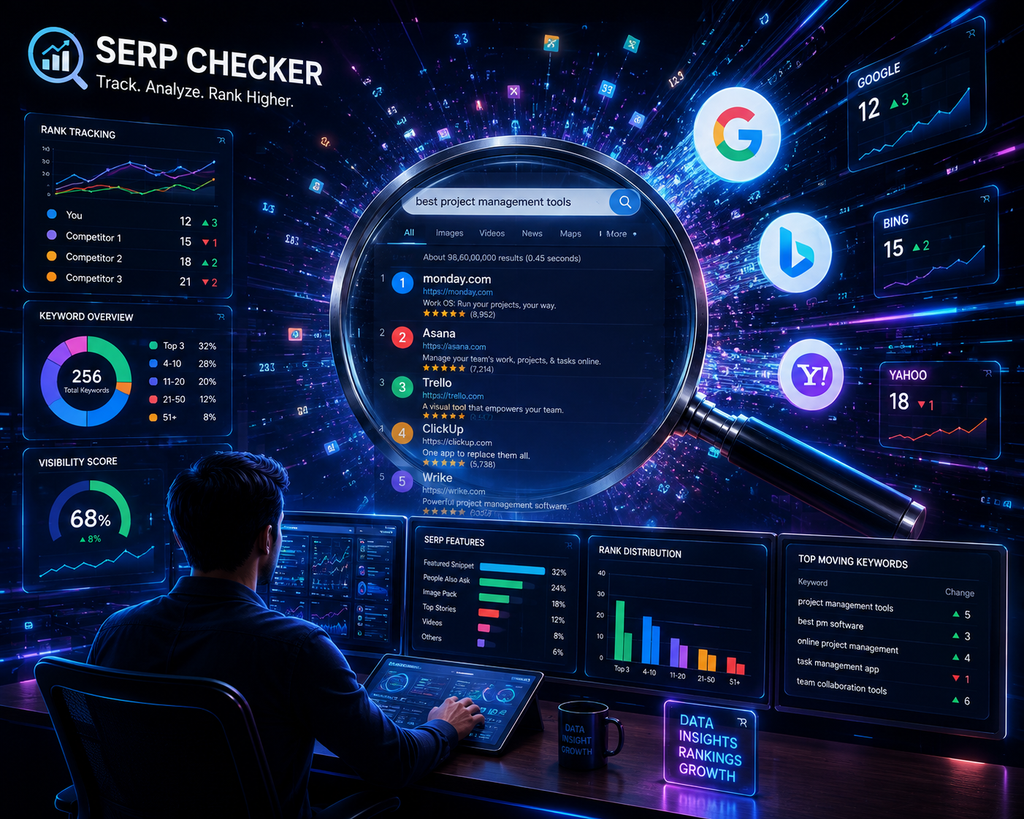
Conclusion: Taking Action on Your SERP Analysis
SERP analysis is the foundation of modern SEO strategy. When you understand what the search results reveal about competitor strategies, content formats, backlink patterns, and search intent, you gain a competitive edge. The process isn’t complex—it begins with manual review of the top ten results and scales with tools that automate data collection and competitive benchmarking.
In 2026, SERP analysis has become non-negotiable. Search algorithms reward relevance, topical authority, and user experience. SERP analysis helps you align your content with these ranking factors. Whether you’re a solo content creator, a growing agency, or an enterprise, understanding how to SERP analyze effectively determines your visibility in search results.
Next step: Start with your top five target keywords. Use ContentSERP.in to SERP analyze the current top ten results. Document the content length, structure, backlink count, and SERP features. Then compare your existing content against these benchmarks. Identify one quick win—a content gap you can fill or a format improvement you can make—and implement it. Track your ranking position over the next 30 days. This single cycle of SERP analysis and optimization will teach you more about your niche than months of guesswork. Start your free SERP analysis with ContentSERP.in today.
