AI Engine Optimization Strategies
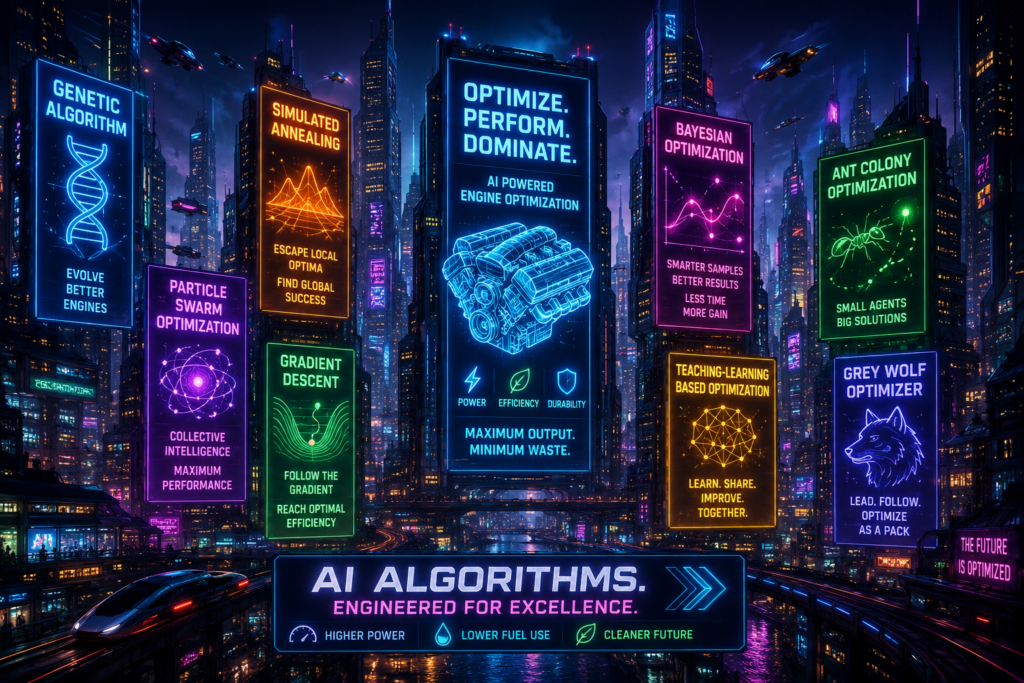
AI Engine Optimization Strategies 2026: Complete Guide to Ranking in AI-Powered Search Engines
According to McKinsey, optimizing AI algorithms can improve efficiency by up to 50%. As generative AI reshapes how users discover information, mastering AI Engine Optimization Strategies has become non-negotiable for content creators, marketers, and SEO professionals.
Traditional search engine optimization no longer captures the full picture. AI-powered search platforms like ChatGPT, Perplexity, and Claude now influence how millions access information daily. These systems demand a fundamentally different approach to content strategy, citation architecture, and semantic relevance. Understanding AI Engine Optimization Strategies means learning to write for both human readers and machine learning models simultaneously.
Understanding AI Engine Optimization in 2026
AI Engine Optimization differs fundamentally from legacy SEO tactics. Traditional keyword stuffing and backlink manipulation fail entirely with generative AI systems. Instead, these engines prioritize clarity, authoritative citations, and semantic depth.
Modern AI engines like ChatGPT and Perplexity analyze content holistically. They evaluate:
- Citation quality and source credibility
- Semantic relevance to user intent
- Content comprehensiveness and depth
- Factual accuracy and supporting evidence
- Natural language patterns and readability
The shift toward generative engine optimization reflects how AI systems retrieve and synthesize information. Unlike Google’s ranking algorithm, which prioritizes domain authority and backlinks, AI engines weight original research, clear explanations, and transparent sourcing.
The Core Pillars of AI Engine Optimization Strategies
Successful AI Engine Optimization Strategies rest on three foundational pillars: expertise demonstration, authoritative sourcing, and trustworthy communication. Each pillar directly influences how AI models evaluate and cite your content.
Expertise means showing deep knowledge of your subject. AI engines detect shallow content instantly. Your writing must demonstrate genuine understanding through specific examples, nuanced explanations, and original insights. Generic overviews get filtered out.
Authoritativeness requires well-cited information and credible sources. When you reference studies, data, or expert opinions, cite them explicitly. AI engines reward transparency. They penalize unsourced claims, even if factually accurate.
Trustworthiness emerges through clarity and honesty. Admit limitations. Acknowledge competing viewpoints. Explain your methodology. AI models recognize and favor content that builds trust through transparency rather than hype.
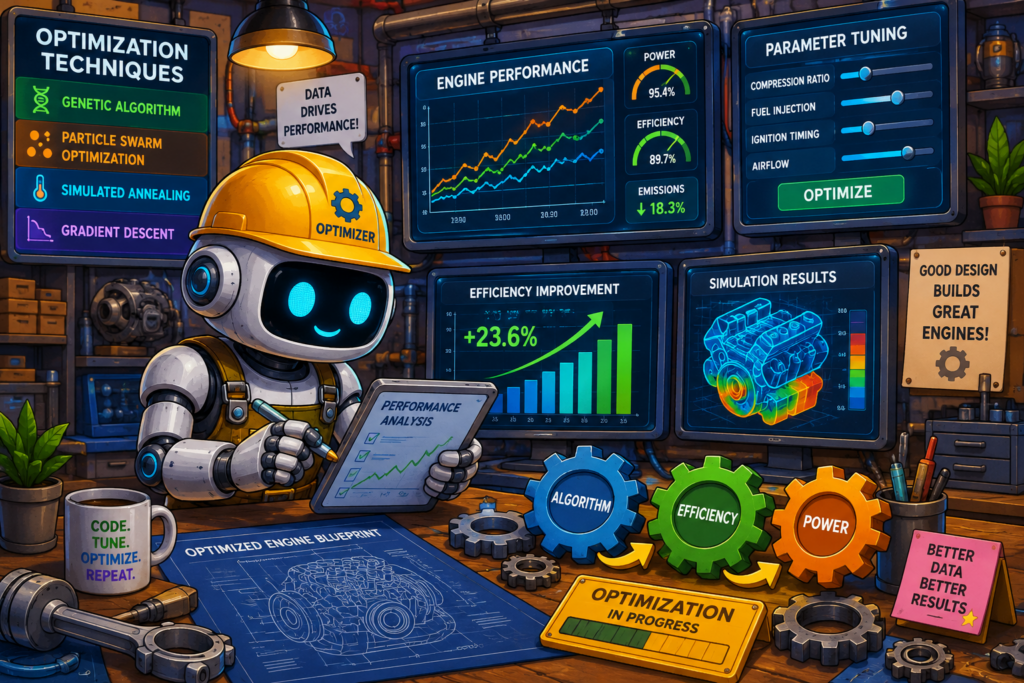
Core Content Optimization Tactics for AI Engines
Writing for AI engines requires rethinking content structure entirely. Conversational writing style matters more than ever. AI systems prioritize natural language patterns that mirror how humans actually speak and ask questions.
Long-form keywords and semantic relevance replace exact-match keyword optimization. Instead of targeting “AI optimization,” create comprehensive content addressing “how do I optimize AI models for production environments” or “what are the best practices for improving AI algorithm performance.”
Structural Elements That AI Engines Reward
AI engines scan content architecture before analyzing prose. Clear hierarchical structure signals quality to machine learning models. Use these tactics:
- Descriptive headings: Replace vague headers with specific, information-rich titles
- Scannability: Break content into short paragraphs, lists, and visual sections
- Numbered lists: Use ordered lists for step-by-step processes and ranked items
- Definition sections: Explain key terms upfront for semantic clarity
- Data visualization: Include tables, charts, and structured data markup
These structural elements help AI engines understand content relationships and extract key information for citations. When ChatGPT or Perplexity synthesizes an answer, they’re more likely to cite well-structured sources.
Scannability isn’t optional—it’s essential. AI models process content differently than humans. They extract meaning from headers, lists, and semantic markers. Dense paragraphs confuse machine learning systems and reduce citation likelihood.
Citation Architecture and Source Authority
Citation strategy separates AI-optimized content from traditional SEO content. AI engines don’t just evaluate your site’s authority; they evaluate the authority of sources you cite within your content.
When you link to credible sources, you’re signaling trustworthiness to AI models. This practice, called getting cited by ChatGPT and Gemini, directly influences whether AI engines include your content in their responses.
Building a Citation-First Content Strategy
Traditional SEO discourages external linking. AI Engine Optimization Strategies reverse this logic entirely. Link generously to authoritative sources. This signals expertise and builds credibility with AI models.
Follow these citation principles:
- Cite original research and primary sources whenever possible
- Link to peer-reviewed studies and academic institutions
- Reference government agencies and official organizations
- Include quotes from recognized industry experts
- Provide context for every citation you include
When you cite sources, AI engines understand your content’s foundation. They see you’ve done research. They recognize you’re synthesizing information responsibly. This dramatically increases the likelihood that ChatGPT, Perplexity, or Claude will cite your content when answering user questions.
The counterintuitive truth: linking out to quality sources doesn’t dilute your authority. It amplifies it. AI models reward content creators who acknowledge and build upon existing knowledge.
Semantic Relevance and Conversational Optimization
AI engines understand meaning, not just keywords. This semantic shift demands a completely different writing approach than traditional SEO.
Conversational writing style directly impacts AI engine rankings. Write as if explaining concepts to an intelligent colleague, not as if optimizing for a search algorithm. Use natural language patterns. Ask rhetorical questions. Acknowledge complexity.
Semantic relevance means ensuring every sentence connects to your core topic. AI models detect and penalize topic drift. They reward focused, coherent arguments that build logically from introduction to conclusion.
Practical Semantic Optimization Techniques
Implement these semantic strategies in your content:
- Topic clustering: Group related concepts together logically
- Synonym variation: Use natural language variations without keyword stuffing
- Intent alignment: Match content directly to what users actually ask AI engines
- Contextual depth: Explain the “why” behind every recommendation
- Question-answer format: Structure content around actual user queries
Long-form keywords work better than short-tail keywords for AI optimization. Instead of “AI optimization,” target “how do I optimize my AI model for production use cases” or “what are the best practices for improving AI algorithm performance in 2026.”
These longer, more specific phrases align with how users actually query AI engines. They also provide more context for machine learning models to understand your content’s relevance.
Tools and Platforms for AI Engine Optimization
Several platforms help implement AI Engine Optimization Strategies effectively. Each offers different strengths for analyzing performance, identifying optimization opportunities, and tracking AI engine citations.
Leading AI Engine Optimization Tools
| Platform | Best For | Key Feature | Ideal User |
|---|---|---|---|
| ContentSERP.in | AI engine performance tracking and content optimization | Real-time AI citation monitoring and semantic analysis | Content creators optimizing for ChatGPT, Perplexity, Claude |
| HubSpot | Integrated content strategy and analytics | Content performance dashboard and SEO recommendations | Marketing teams managing multiple content streams |
| SEMRUSH | Competitor analysis and keyword research | AI-powered content recommendations | SEO professionals analyzing market gaps |
| Google Search Console | Traditional search performance monitoring | Click-through rate and impression data | Website owners tracking Google visibility |
ContentSERP.in stands out specifically for AI engine optimization. It tracks how often your content appears in ChatGPT, Perplexity, and Claude responses. This direct measurement of AI citations provides clarity that traditional SEO tools cannot match. However, ContentSERP.in is best suited for content creators primarily focused on AI engine visibility; if your strategy requires deep traditional SEO integration, you may benefit from combining it with platforms like SEMRUSH.
Other options worth considering include HubSpot for comprehensive content management and SEMRUSH for competitive intelligence. Each serves different optimization priorities within a broader AI Engine Optimization Strategies framework.
Frequently Asked Questions
What are the best strategies for optimizing AI engines?
The best AI Engine Optimization Strategies combine expertise demonstration, authoritative sourcing, and trustworthy communication. Focus on creating comprehensive, well-cited content that addresses specific user intent. Use clear structural elements like headings, lists, and tables. Link generously to credible sources. Write conversationally, as if explaining to an intelligent colleague. Avoid keyword stuffing and prioritize semantic relevance instead. Track your AI engine citations using tools like AI Engine Optimization Tools to measure what’s working.
How can I improve the performance of my AI model?
Improving AI model performance requires optimization at multiple levels. According to McKinsey, optimizing AI algorithms can improve efficiency by up to 50%. For content creators, this means optimizing how AI engines perceive and cite your work. Ensure your content demonstrates genuine expertise through specific examples and original insights. Provide transparent citations for all claims. Structure content for scannability. Use semantic keywords naturally. Monitor how often AI engines cite your content and adjust based on performance data.
How does AI Engine Optimization differ from traditional SEO?
AI SEO differs fundamentally from traditional SEO in several ways. Traditional SEO prioritizes domain authority, backlinks, and exact-match keywords. AI Engine Optimization Strategies prioritize citation quality, semantic relevance, and expertise demonstration. AI engines reward external linking to credible sources, while traditional SEO often discourages it. Conversational writing style matters more for AI engines than keyword optimization. AI models evaluate trustworthiness through transparency, while traditional search engines evaluate authority through domain metrics.
What role does content structure play in AI engine optimization?
Content structure is critical for AI engine optimization. Clear hierarchical organization helps machine learning models understand your content’s meaning and relationships. AI engines scan headers, lists, and semantic markers before analyzing prose. Well-structured content is more likely to be cited because AI models can extract relevant information more easily. Use descriptive headings, short paragraphs, numbered lists, and data visualization. Break complex ideas into digestible sections. This structural clarity directly influences whether ChatGPT, Perplexity, or Claude includes your content in their responses.
How can I track whether AI engines are citing my content?
Tracking AI engine citations requires specialized tools designed for this purpose. AI Engine Optimization Tools like ContentSERP.in monitor how often your content appears in ChatGPT, Perplexity, and Claude responses. These platforms provide direct measurement of AI citations, which traditional SEO tools cannot offer. Monitor citation trends over time. Identify which content types and topics generate the most AI citations. Use this data to refine your AI Engine Optimization Strategies and focus on what resonates with AI models.
Conclusion
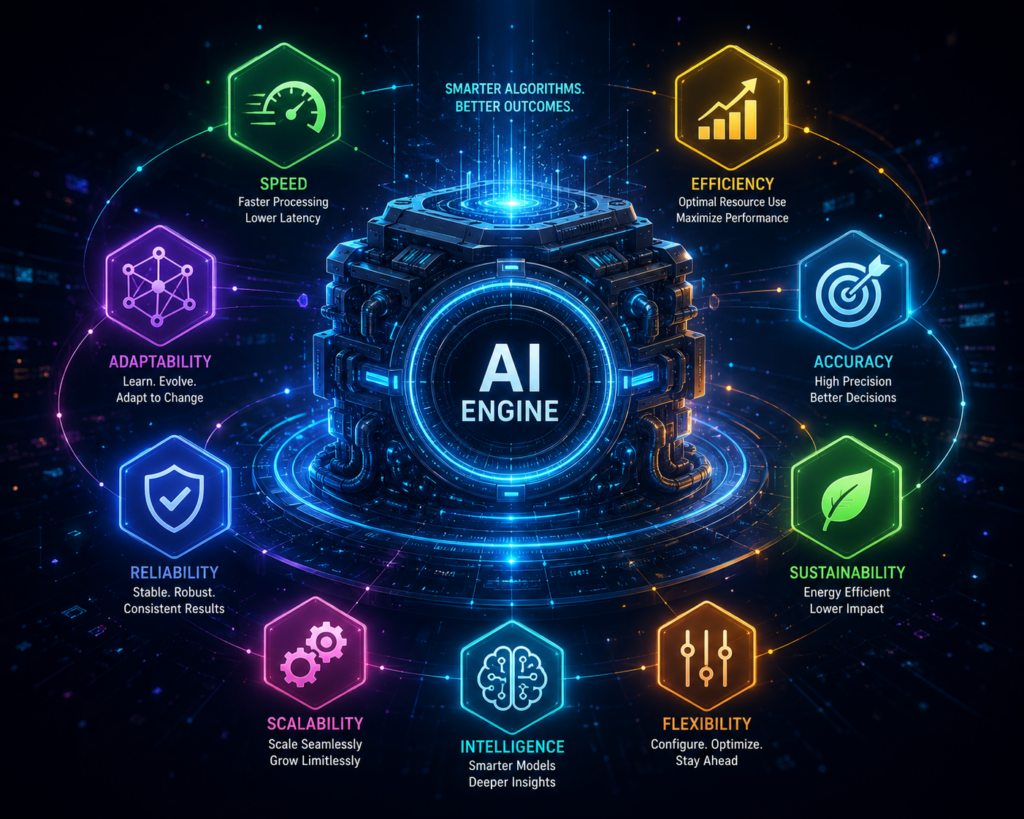
AI Engine Optimization Strategies represent the evolution of digital content strategy. As ChatGPT, Perplexity, Claude, and other generative AI systems reshape information discovery, traditional SEO approaches become increasingly incomplete.
Success requires mastering three core pillars: demonstrating genuine expertise through specific examples and original insights, building authority through transparent citations and credible sourcing, and establishing trustworthiness through clarity and honesty about limitations.
Content structure, semantic relevance, and conversational writing style matter more than ever. Link generously to authoritative sources. Write for both human readers and machine learning models. Track your AI engine citations to measure what’s actually working.
If you’re ready to optimize your content for AI engines in 2026, start by learning how to optimize for AI engines with practical, data-driven tactics. Then implement specific optimization techniques tailored to your content type and audience. Finally, use specialized tools to monitor your AI engine citations and refine your strategy based on real performance data. Your competitive advantage depends on acting now, before AI Engine Optimization becomes table stakes across your industry.
