Faq Schema
FAQ Schema: The Ultimate Guide to Enhancing Search Visibility in 2026
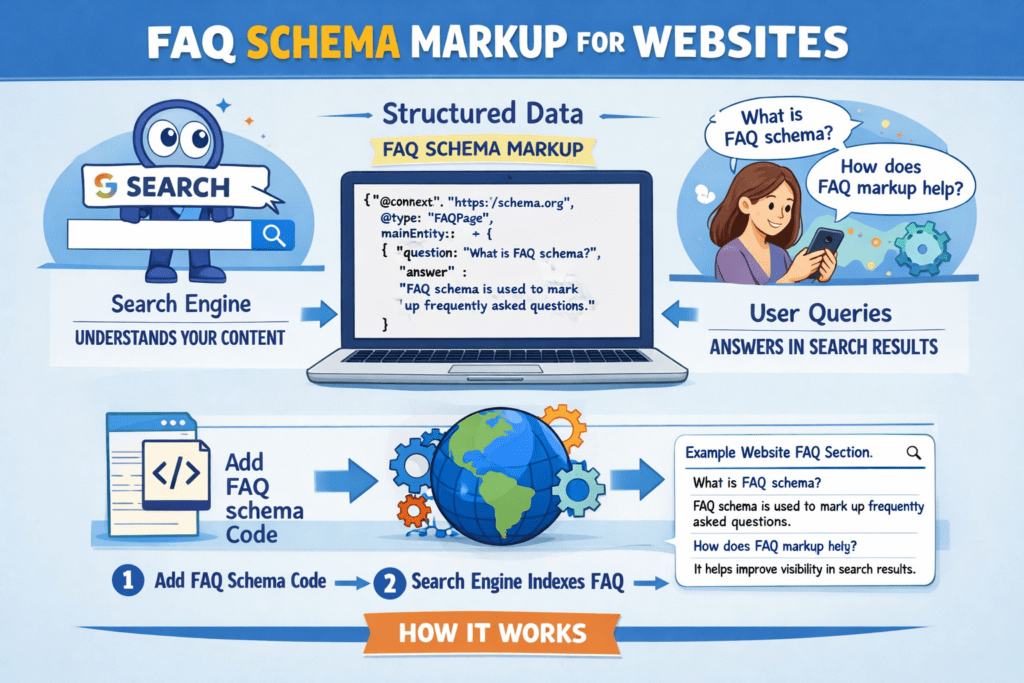
In the evolving landscape of digital marketing, capturing real estate on the Search Engine Results Page (SERP) is more competitive than ever. As we navigate the complexities of 2026, understanding how to communicate effectively with search engines is no longer optional—it is a technical necessity. One of the most potent tools in an SEO specialist’s arsenal is FAQ schema. By leveraging structured data, you provide search engines with a clear, machine-readable map of your content, significantly increasing your chances of appearing in rich results.
Recent industry insights suggest that FAQ schema is critical for AI search visibility, as it helps large language models and search crawlers parse your content with high precision. According to Frase.io, this structured approach is no longer just about blue links; it is about establishing authority in an era where AI-driven answers dominate the user experience. Whether you are managing a small business site or an enterprise portal, implementing the right markup can be the difference between being ignored and becoming the primary source of truth for your audience.
If you are struggling to keep up with the technical demands of modern SEO, you are not alone. Many agencies are turning to advanced tools to maintain their competitive edge. For those looking to optimize their workflow, understanding the nuances of best AI content writing tools for Indian agencies can help you draft the high-quality, query-focused content that FAQ schema requires. In this guide, we will explore the technical implementation, the strategic benefits, and the evolving role of structured data in the age of AI.
What is FAQ Schema and Why Does It Matter?
At its core, FAQPage Schema Markup indicates that your page has a dedicated section featuring frequently asked questions and their corresponding answers. As defined by the experts at Schema App, this specific type of structured data allows Google to understand the direct relationship between a user’s query and your content. When implemented correctly, it transforms your standard search listing into a rich snippet that occupies more screen space, effectively pushing competitors further down the page.
The strategic value of this markup extends far beyond simple aesthetics. By utilizing JSON-LD, the industry-standard format recommended by Google, you ensure that your site remains compliant with modern web standards. This is particularly important for businesses looking to dominate local markets. If you are refining your local strategy, you might want to look into local SEO keyword research for Indian businesses to ensure that the questions you answer in your schema are the exact questions your local customers are typing into their search bars.
- Increased Click-Through Rates (CTR): Rich snippets naturally draw the eye, leading to higher engagement.
- AI Search Readiness: Structured data allows AI models to parse your content as a source of truth.
- Enhanced Authority: Providing direct, concise answers builds trust with both users and algorithms.
- Voice Search Optimization: FAQ content is the primary data source for voice-activated assistants.
The Strategic Shift: FAQ Schema in the Age of AI
The digital landscape has shifted dramatically. While FAQ schema was once the “low-hanging fruit” of SEO, its role has evolved. According to StudioHawk, FAQ schema remains one of the simplest and most effective ways to improve site visibility across Google and emerging AI search engines. However, the implementation strategy must be more intentional than it was in previous years.
Today, search engines are prioritizing high-quality, helpful content. If your FAQ section is just a keyword-stuffed list, it will not deliver the results you expect. Instead, you must focus on addressing genuine user pain points. As you develop your content strategy, consider if your site is optimized for the latest technical standards. If you are unsure where your site stands, using tools to audit your technical performance is vital. For example, comparing your current setup against ContentSERP vs Keyword Tool can provide insights into whether your current keyword research process is actually fueling your structured data efforts.
Furthermore, as AI search evolves, the distinction between a standard page and a QAPage becomes increasingly blurred. Google’s algorithms now look for “E-E-A-T” (Experience, Expertise, Authoritativeness, and Trustworthiness) signals. By wrapping your content in schema, you are essentially telling Google, “I have the expertise to answer this specific question.”
How to Implement FAQ Schema Effectively
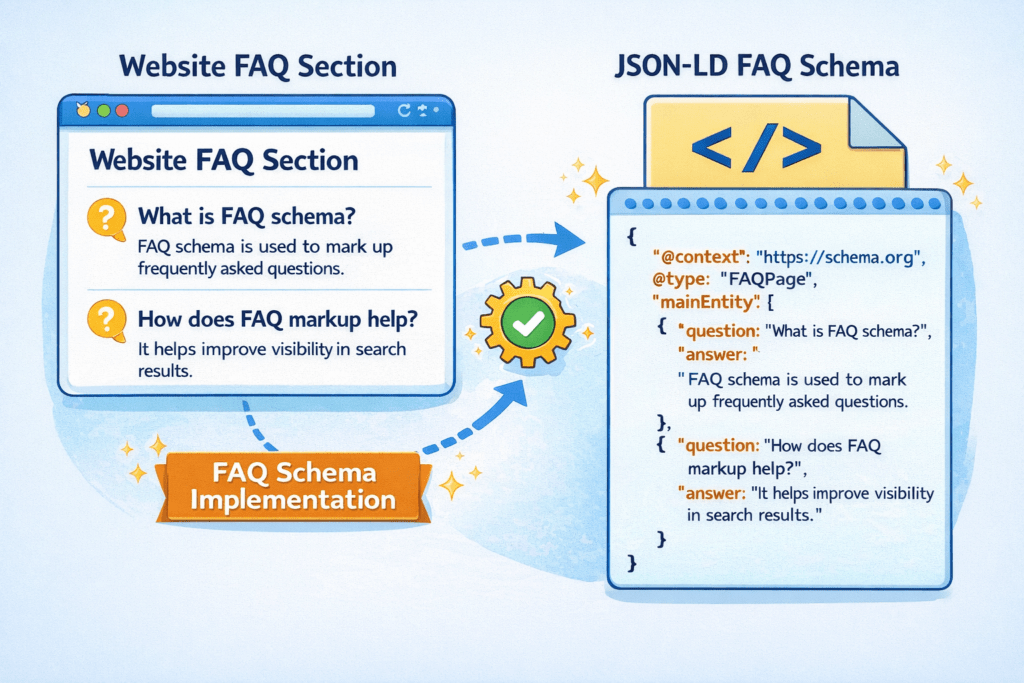
Implementation does not have to be a daunting task for developers. The most common method involves using a Schema Markup Generator (JSON-LD) to create the necessary code. Once generated, the script is placed in the <head> or <body> of your HTML document. It is crucial to ensure that the content visible on your page exactly matches the content inside your schema markup.
When implementing, follow these steps to ensure success:
- Identify High-Intent Questions: Use keyword research to find questions that your target audience is asking.
- Draft Concise Answers: Keep answers direct and helpful, avoiding fluff.
- Use a Generator: Utilize tools like the SUSO’s FAQ Schema Generator to create error-free JSON-LD code.
- Test with Google: Always run your code through the Rich Results Test to identify any syntax errors.
Remember that technical SEO is a marathon, not a sprint. If you are managing multiple sites, keeping track of your performance is key. For agencies, keeping tabs on industry trends is essential for growth. You might find it useful to explore top local SEO keyword tool statistics and trends 2026 to ensure your strategy aligns with current market behaviors.
Comparison of Schema Implementation Tools
Choosing the right tool for generating schema can save your team hours of manual coding. Below is a comparison of common approaches to schema generation.
| Tool / Method | Primary Use Case | Complexity |
|---|---|---|
| Schema Markup Generator (JSON-LD) | Manual generation for individual pages | Low |
| SUSO’s FAQ Schema Generator | Bulk generation and structured data management | Medium |
| Manual Coding | Custom, complex schema requirements | High |
Frequently Asked Questions
What is FAQ schema?
FAQ schema is a type of structured data markup that you add to your website’s code to inform search engines that a specific page contains a list of frequently asked questions and their answers. By using the FAQPage schema type, you allow search engines like Google to display these questions directly on the search results page.
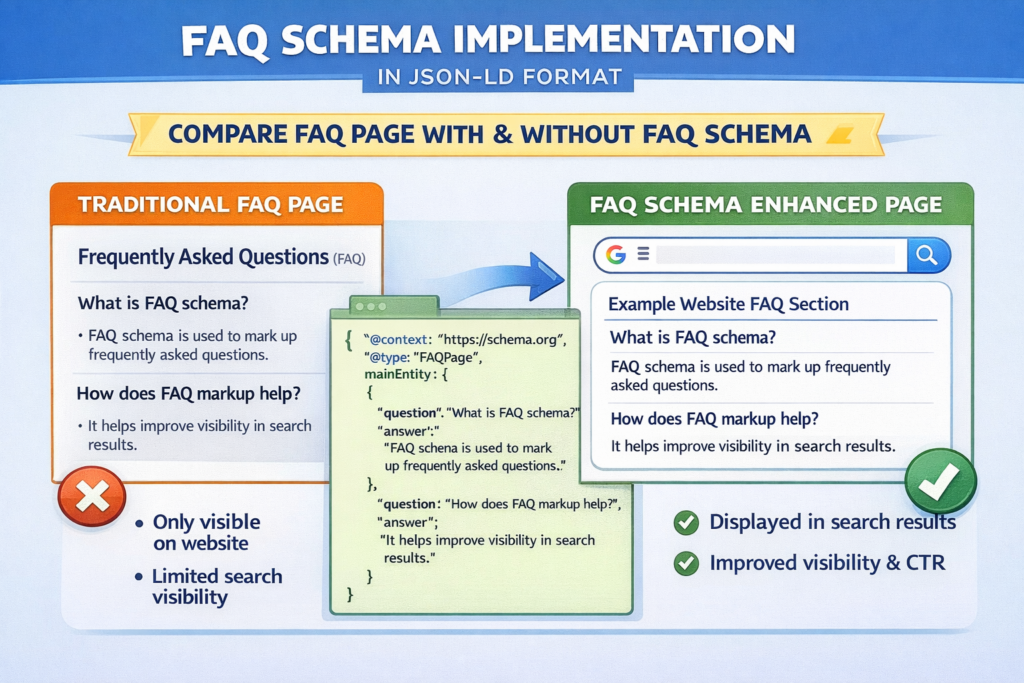
This implementation helps your content stand out by creating a “rich snippet,” which provides users with immediate answers without requiring them to click through to your site. This functionality is essential for improving visibility and establishing your page as a primary source of information for specific user queries in 2026.
How do I add a schema to FAQ?
To add schema to your FAQ page, you must first ensure that the questions and answers are clearly visible on the page. Then, you need to add the required schema.org properties for FAQPage structured data markup. You can use a dedicated generator to create the JSON-LD script, which you then paste into your website’s HTML.
The most important step is ensuring that the content inside your JSON-LD matches the text on your page. If the content does not match, Google may ignore your markup or, in extreme cases, penalize your site for misleading information. Always validate your code using Google’s Rich Results Test before publishing.
Does FAQ schema still work?
Once an SEO win, FAQ schema is now limited to government and health sites in terms of consistent SERP display. While Google has tightened its policies on who gets to display rich results for FAQs, the structured data remains highly valuable for AI search engines and large language models.
Even if you do not see the rich snippet in the traditional SERP, the structured data still informs search crawlers about the context of your page. This helps your content rank better for long-tail, question-based keywords, which are becoming the backbone of modern search queries.
Is FAQ schema necessary for every page?
No, FAQ schema should only be used on pages where there is a genuine list of questions and answers. Applying it to pages that do not contain an FAQ section is a violation of Google’s guidelines and can lead to manual actions against your site.
Focus on using this schema for support pages, product pages, or service pages where you are addressing common customer concerns. By keeping it relevant, you maintain the integrity of your site’s SEO profile while providing real value to your users.
What is the difference between QAPage and FAQPage?
The FAQPage schema is designed for content where the site owner provides all the questions and answers. In contrast, QAPage schema is intended for platforms where users can post questions and receive multiple answers, such as forums or community help centers.
Choosing the correct schema type is critical. Using QAPage schema for a standard FAQ section will not provide the benefits you are looking for, as it signals a different type of content structure to the search engine crawlers.
Can I use FAQ schema for marketing content?
Yes, you can use it for marketing content as long as the questions and answers are helpful and relevant to the user. However, avoid using FAQ schema to promote sales or discounts, as this is against Google’s structured data policies.
The goal of FAQ schema is to provide information. If your content is purely promotional, search engines may filter out your rich results. Keep the focus on answering questions that solve a problem for your visitor.
How does FAQ schema affect voice search?
FAQ schema is highly beneficial for voice search optimization. When users ask questions to voice assistants, the assistant often pulls data from pages that have clear, structured FAQ content.
By providing direct, concise answers in your schema markup, you increase the likelihood that your content will be selected as the answer for a voice query. This is a key strategy for capturing traffic in the growing voice-activated search market.
What are the technical requirements for FAQ schema?
The primary technical requirement is the use of JSON-LD, which is the format preferred by Google. You must include the “FAQPage” type, and within that, an array of “Question” objects, each containing a “name” (the question) and an “acceptedAnswer” (the answer).
Failure to follow this structure can lead to validation errors. Always use a reputable generator to ensure that your syntax is correct and that you are including all mandatory fields required by schema.org.
Conclusion
FAQ schema remains a cornerstone of technical SEO, even as the landscape shifts toward AI-driven results. By providing search engines with clear, structured data, you not only improve your chances of appearing in rich snippets but also ensure your content is ready for the next generation of search technology. Remember that the goal is to provide genuine value to your users—when you solve their problems, the search engines will reward you with visibility.
As you continue to refine your digital presence, ensure that your strategy is holistic. From using the right AI humanizer tools to ensure your content resonates with readers, to keeping up with the history of search engines, staying informed is your greatest advantage. If you are ready to take your SEO to the next level, start by auditing your current FAQ implementation and aligning it with the best practices outlined in this guide. Do not let your competitors claim the top spots—optimize your content with FAQ schema today and secure your place in the future of search.
